Katama Plains
a history of where agriculture meets the sea
Slough Farm & Herring Creek Farm sit within a landscape shaped by thousands of years of human relationship, cultivation, and care. What follows is a brief history of the Katama plains — a place where coastal ecosystems, agriculture, and community have long come together.
Land Acknowledgement
Slough Farm, Herring Creek Farm, and the surrounding Katama plains rest on the traditional, ancestral homelands of the Wampanoag people. For thousands of years, Wampanoag families lived in relationship with this place — harvesting from its waters, sustaining its meadows, and caring for its ecosystems.
We honor their enduring presence on Noepe (Martha’s Vineyard) and acknowledge our responsibility to steward this land with respect, reciprocity, and care.
Rooted in Thousands of Years of Stewardship
Long before fences or farmhouses shaped the Katama landscape, the Wampanoag tended these open plains and coastal ponds as summer hunting grounds and gathering places. The wide horizon, steady winds, and rich waters of The Edgartown Great Pond and Herring Creek sustained families throughout the warmer seasons.
Through practiced ecological knowledge — including controlled burns that maintained the grasslands — the Wampanoag shaped Katama into the thriving, biodiverse ecosystem that still defines it today. Their relationship with this land remains a living one.
Early Settlers & the Working Landscape
By the 18th and 19th centuries, European settlers transformed the Katama plains into a patchwork of hayfields, pastures, and small agricultural operations. Farmers were drawn to the same qualities the Wampanoag valued: open land, coastal proximity, and resilient soils.
World War I briefly shifted local agriculture, when wide sections of Katama were planted with “Army and Navy” beans for wartime use. After the war, the land returned to its familiar rhythm of grazing and hay production.
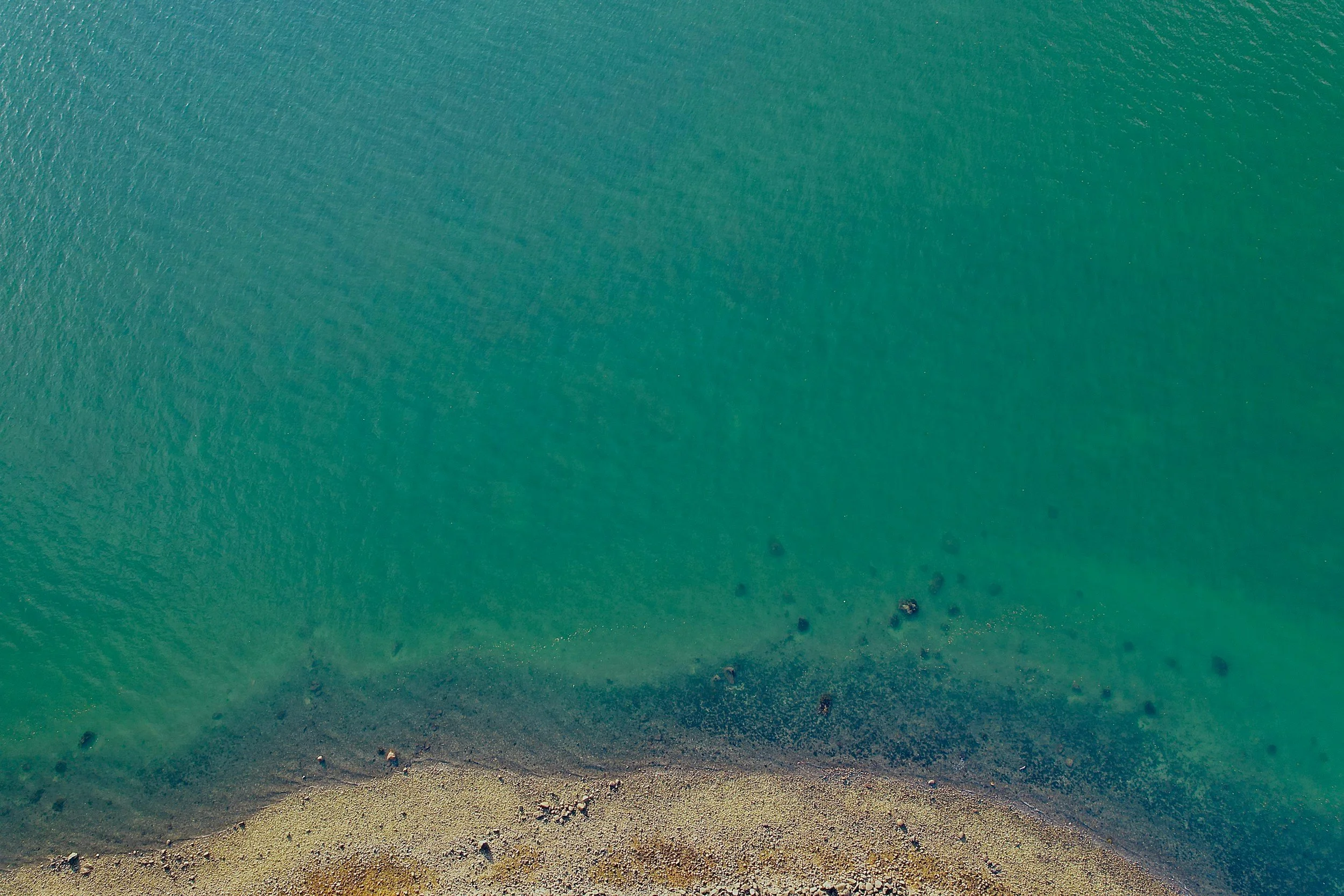
Herring Creek Farm — A Legacy on the Edge of the Sea
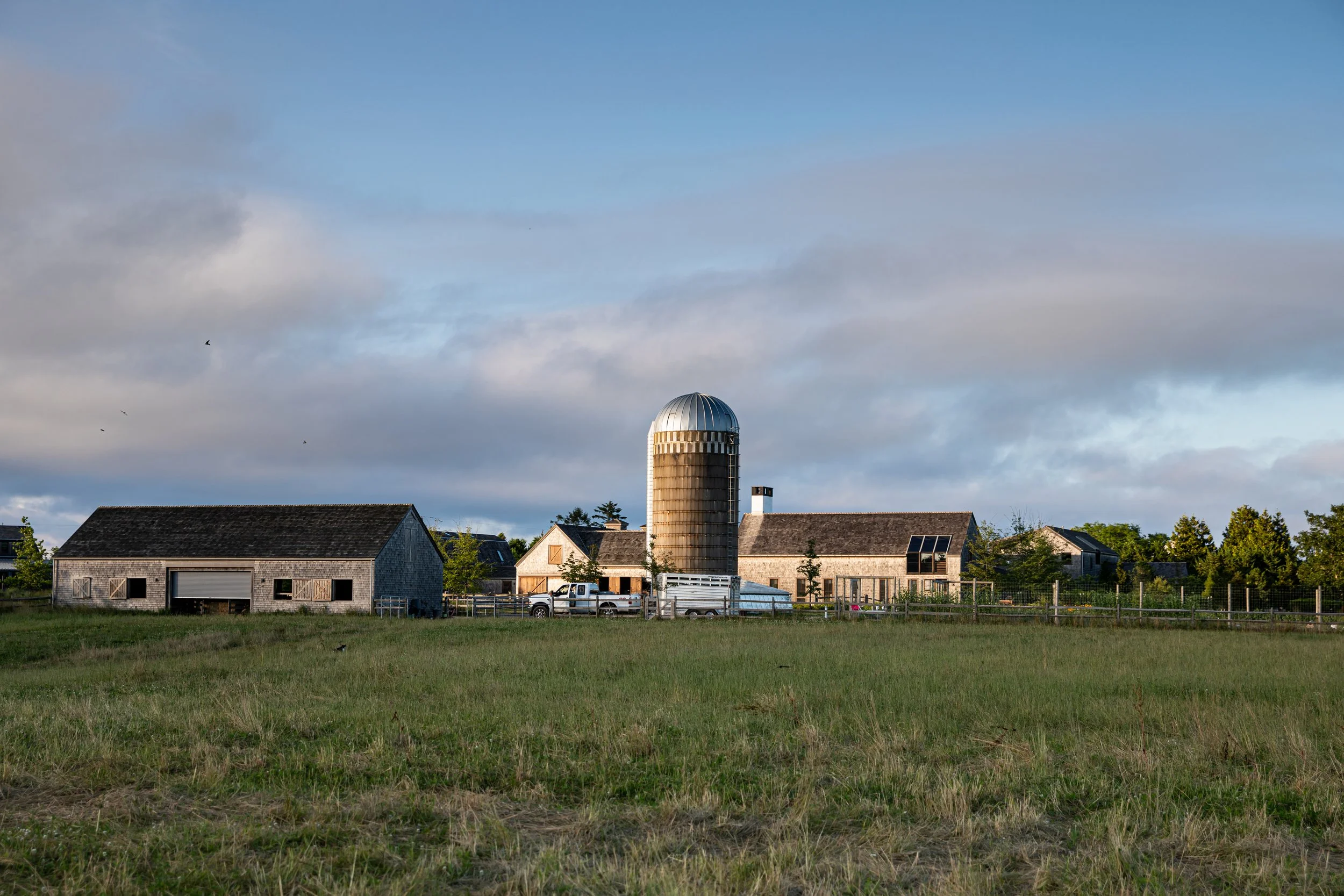
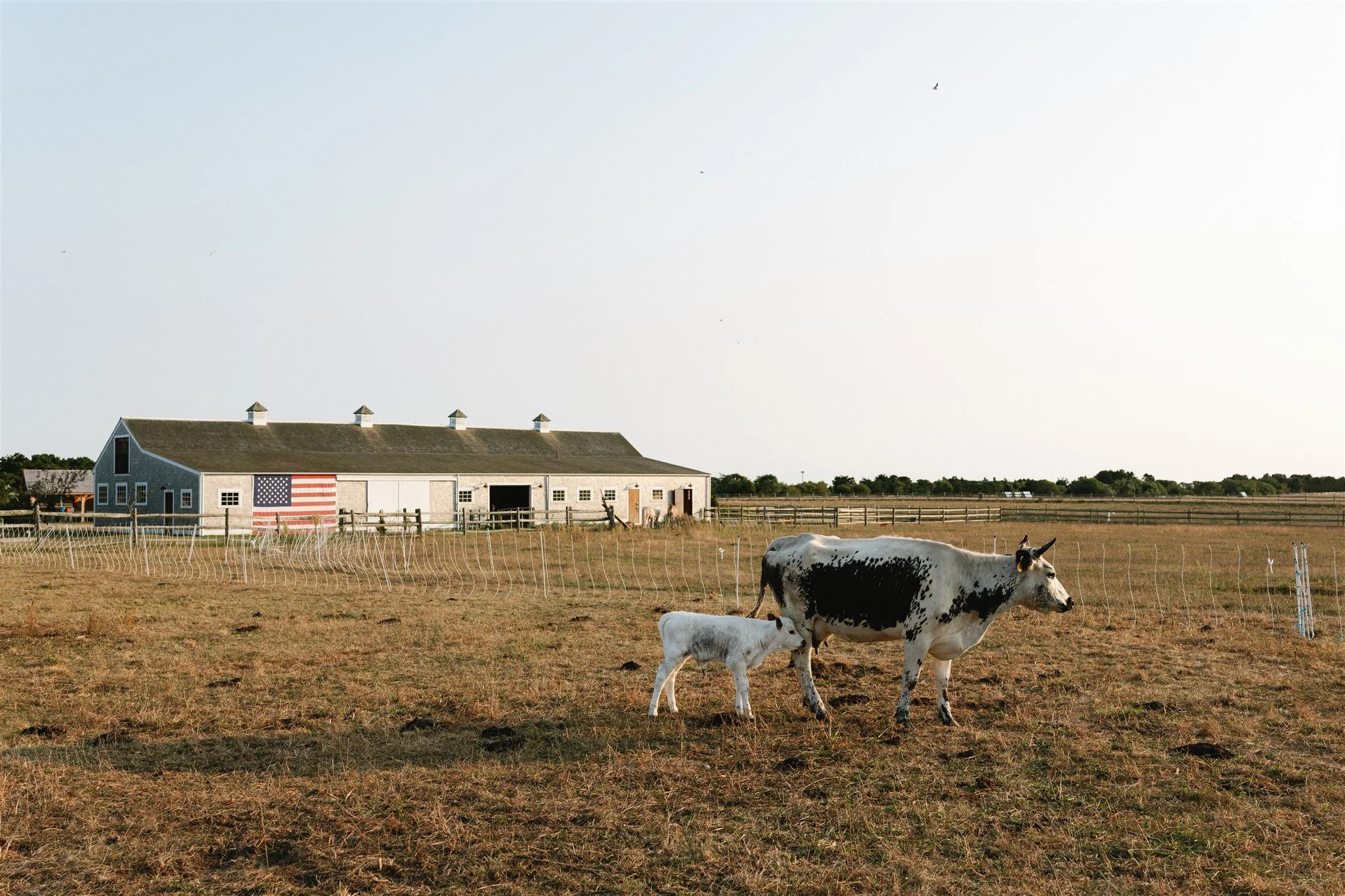
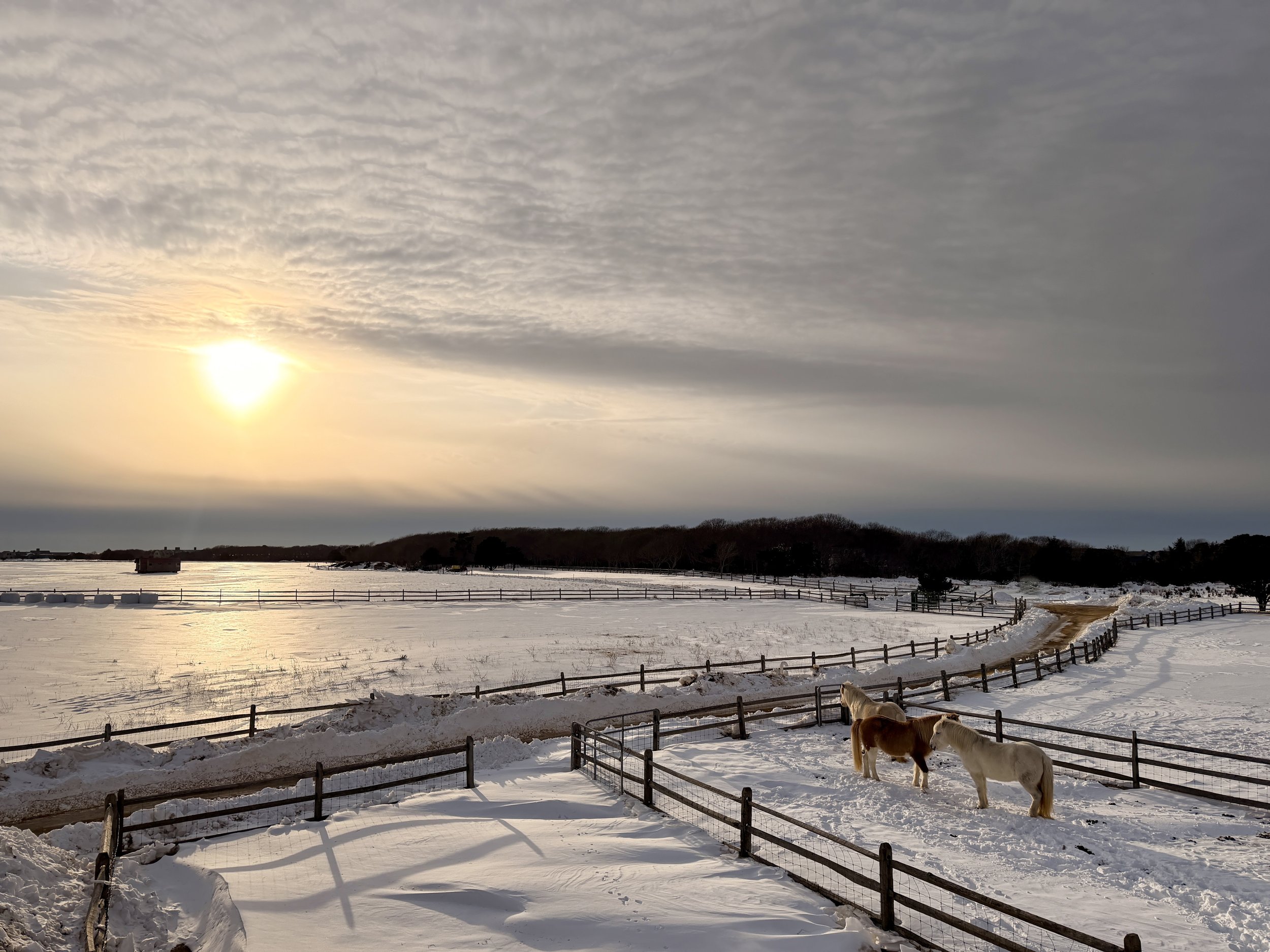
For more than three centuries, Herring Creek Farm has been a defining agricultural presence on the island. With views of the Atlantic Ocean, Edgartown Great Pond, and Crackatuxet Cove, the farm’s coastal pastures supported cattle and dairy herds throughout the 20th century.
Its barns, meadows, and open fields became an enduring piece of the island’s agricultural identity, maintained by generations of people who worked the land with care.
Katama Farm & Community Agriculture
Nearby Katama Farm continued to operate as a working farm well into the modern era. Eventually it became home to The FARM Institute, an educational nonprofit that welcomed thousands of children and adults into hands-on learning around sustainable agriculture.
Through farm-based education programs, seasonal events, and community involvement, Katama Farm helped reconnect island residents with local food systems, land stewardship, and the rhythms of agriculture.
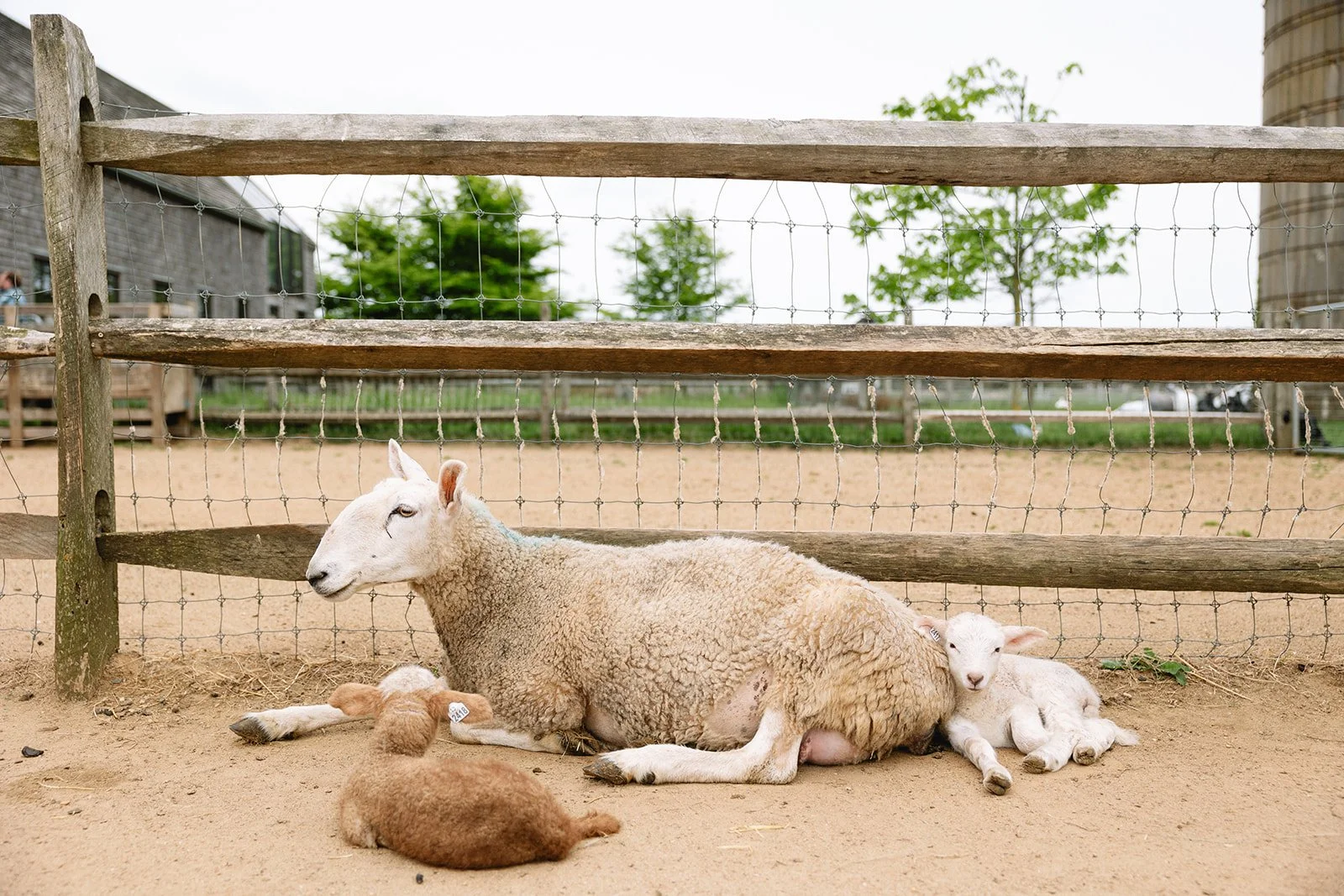
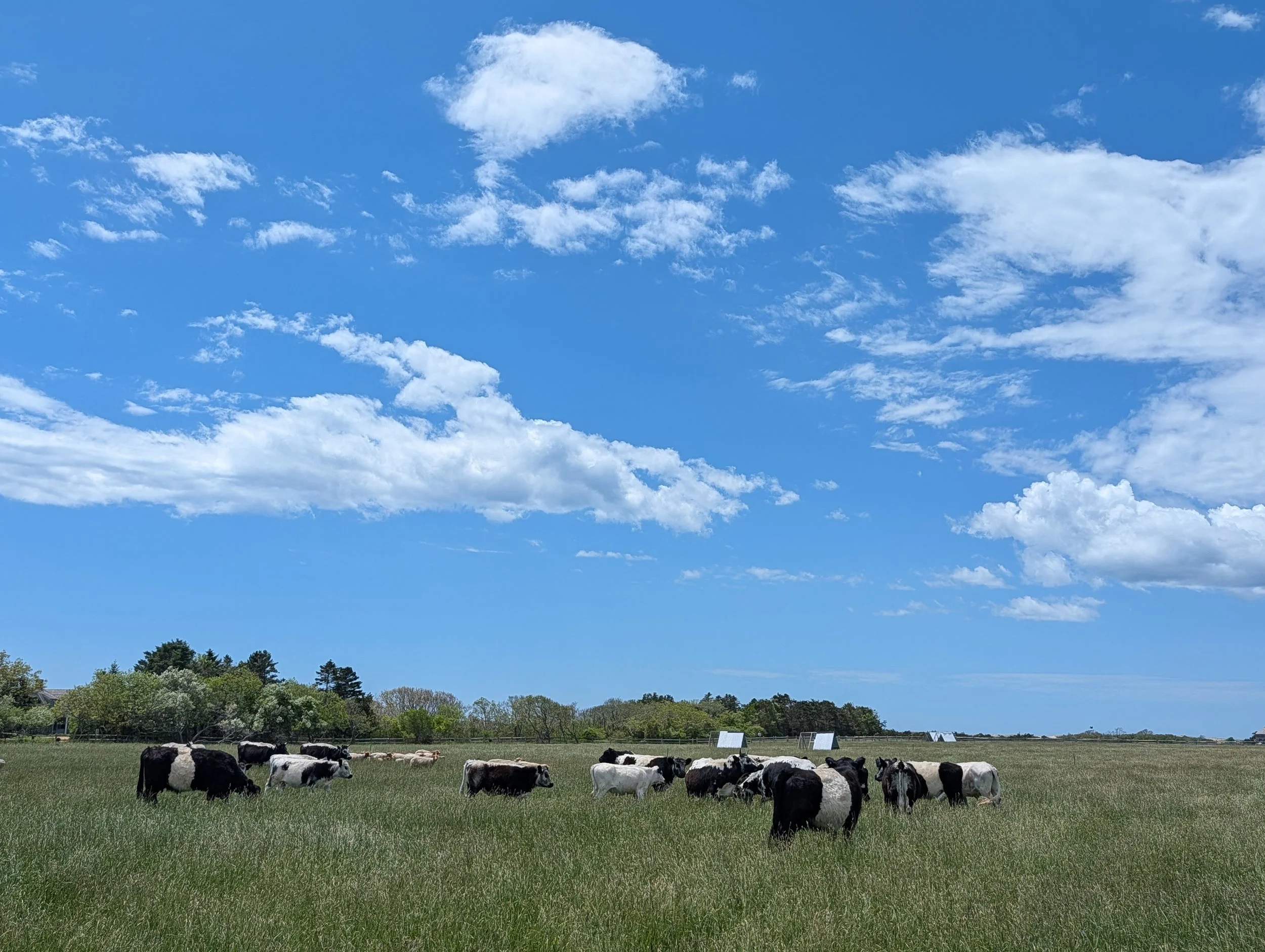
Herring Creek Farm, a historic 215-acre oceanfront property in Katama, was saved in 2001 when a coalition, including The Nature Conservancy and private buyers, purchased the land to prevent developers from subdividing it. The Nature Conservancy acquired roughly half of the property to support an agricultural future, restore native grasslands and protect the edges of the Edgartown Great Pond and Crackatuxet Cove.
The farmland farmed by us is owned primarily by the Nature Conservancy and we are honored to be the stewards of this land, farming with regenerative practices, in tune with nature and providing land management with livestock.
Slough Farm: A New Chapter of Care & Connection
Founded in the mid-2010s, Slough Farm extends Katama’s agricultural legacy through a mission rooted in community, creativity, and regenerative land care.
Slough Farm’s work focuses on:
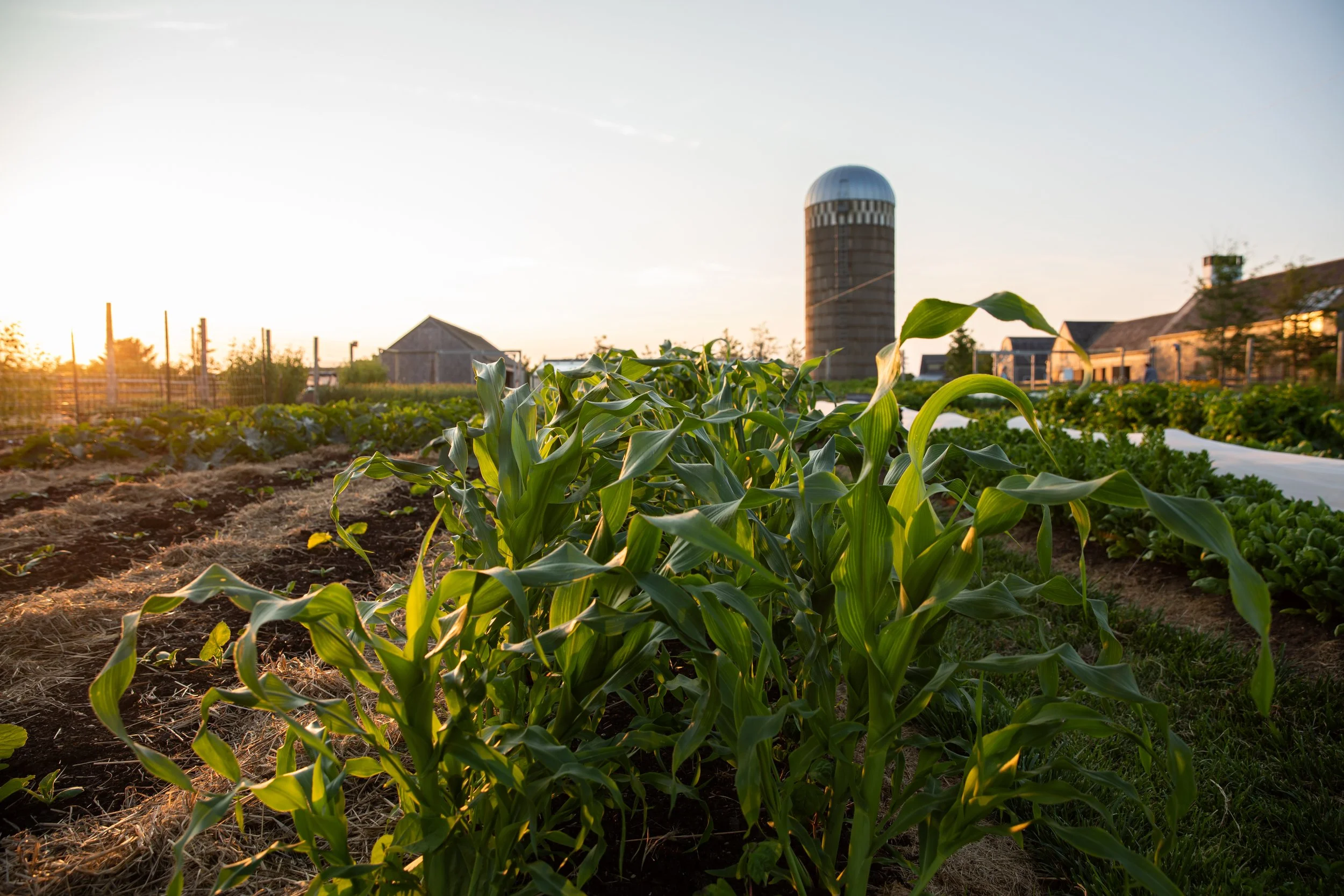
Regenerative & soil-forward agricultural practices
Increasing food access & strengthening island food systems
Welcoming artists, educators, & community groups
Building programs that deepen connection to land, food, & place
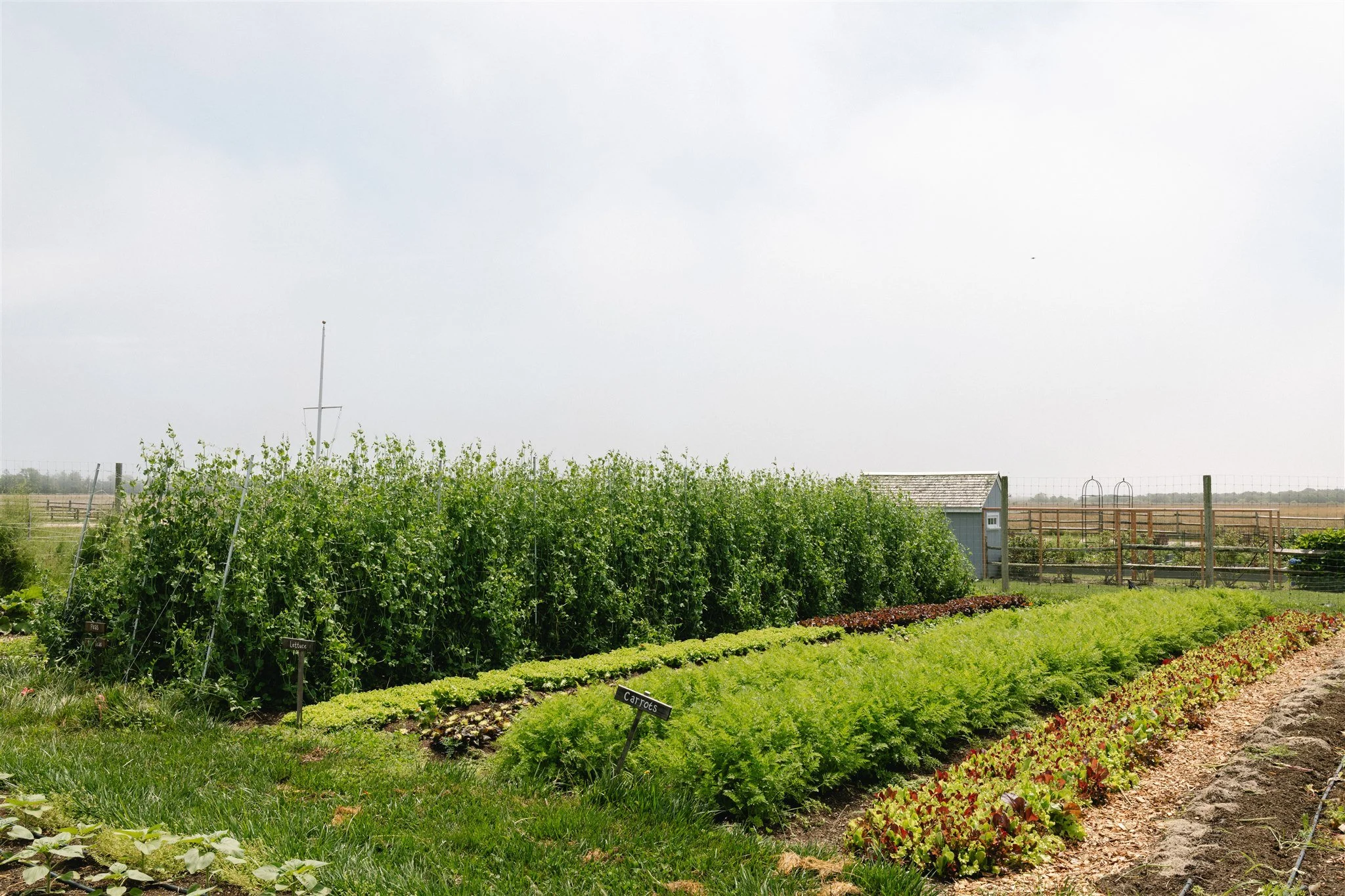
All of the food grown at Slough Farm is shared with island families in collaboration with partners such as Island Grown Initiative food banks, pantries and local schools helping ensure healthy, local food reaches the broader community.
A Landscape With a Long Memory
Across centuries, people have come to the Katama plains to work, gather, learn, and care for the land. From Wampanoag summer hunting grounds to working pastures, from educational farms to modern regenerative practices, Slough Farm and Herring Creek Farm exist within a long continuum of stewardship.
Today, Slough Farm honors that history by tending the land with intention and by supporting the island community through programs grounded in care, creativity, and connection.